Introduction
Choosing the right tile can transform your home’s look and daily experience. But should you go for porcelain tiles or ceramic? While both are popular, they offer different strengths—especially important in Indian homes where spills, traffic, and variable weather are part of life. At hansrajtiles.com, we believe an informed choice saves you time, money, and stress. Here’s what sets porcelain and ceramic tiles apart—and how to decide what’s best for you.
What Are Porcelain and Ceramic Tiles?
Ceramic tiles are made from natural clay, shaped, and kiln-fired at moderate temperatures. They’re often finished with a glaze for color and moisture protection.
Porcelain tiles use a more refined clay and are fired at much higher temperatures, resulting in a denser, less porous, and harder tile.
Key Benefits of Porcelain Tiles
1. Exceptional Durability
Porcelain tiles are harder and denser, making them highly resistant to chips, cracks, and heavy foot traffic. They’re perfect for high-use areas—kitchens, entryways, living rooms, and commercial spaces.
2. Low Water Absorption
With water absorption rates under 0.5%, porcelain is almost waterproof. That makes it suitable for Indian bathrooms, kitchens, pool decks, and even outdoor terraces during the monsoon.
3. Stain & Scratch Resistance
A major win for families: porcelain tiles withstand stains and everyday scratches, even when exposed to spills from cooking oil, coffee, or muddy shoes.
4. Long-Term Value
Porcelain costs more upfront, but its superior strength means you’ll rarely need to replace chipped or cracked tiles—saving you money and hassle over time.
5. Outdoor & Versatile Use
Thanks to their density and resistance to weather extremes, porcelain tiles are ideal for patios, balconies, garden paths, and anywhere else exposed to sunlight, rain, or frost.
6. Design Innovation
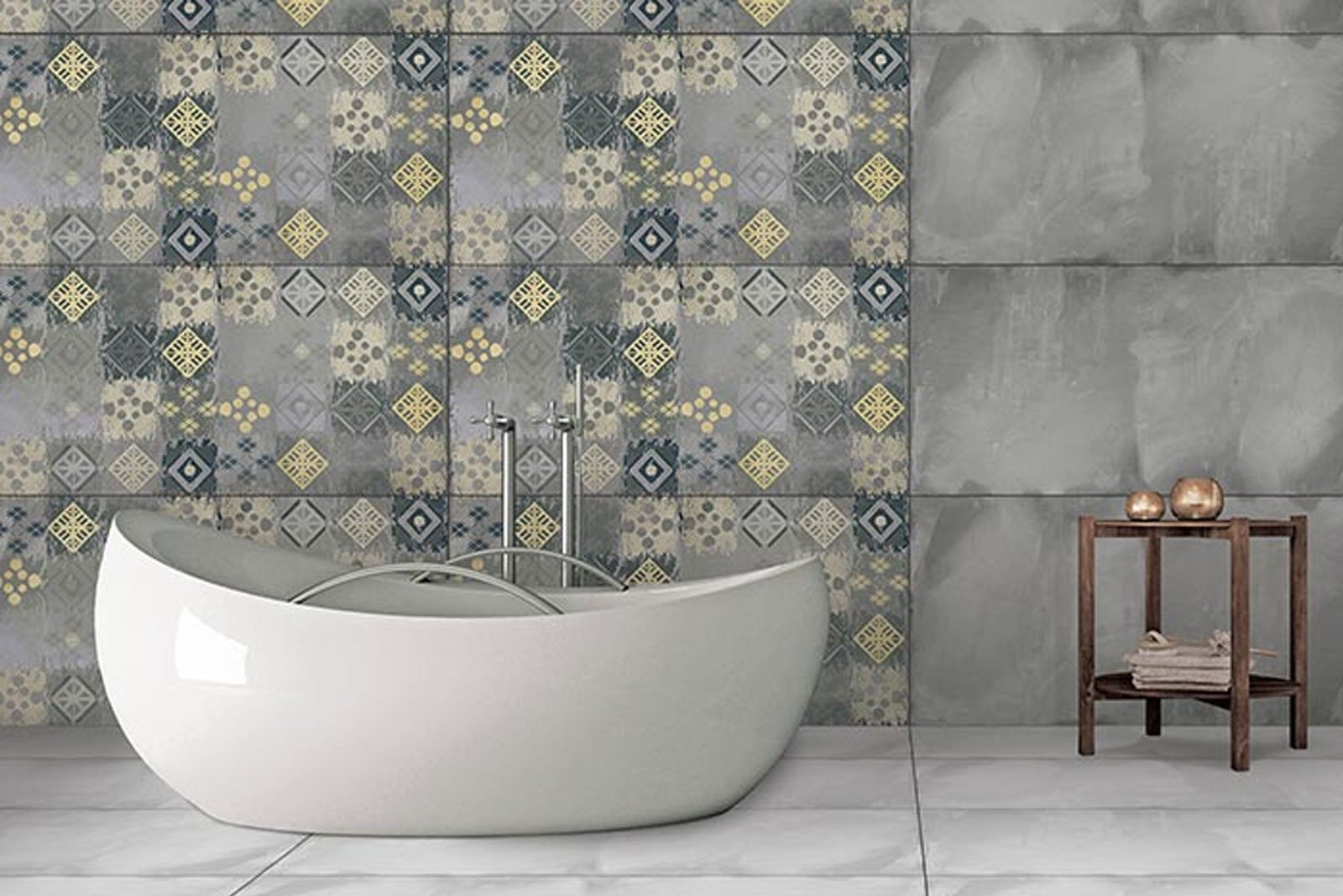
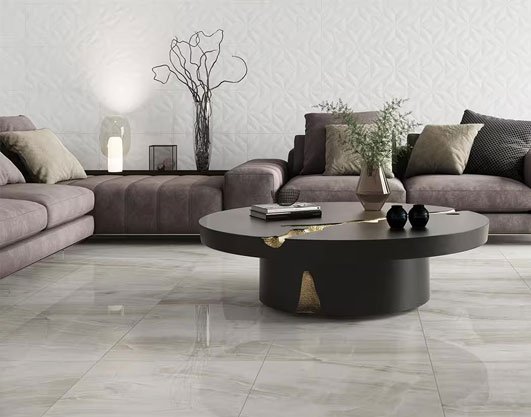
Advanced printing lets porcelain tiles mimic marble, wood, or stone with incredible realism—offering endless style options for contemporary, traditional, or rustic interiors.
Key Benefits of Ceramic Tiles
1. Budget-Friendly & Accessible
Ceramic tiles are generally less expensive and widely available, making them attractive for large projects or temporary renovations.
2. Easier to Cut & Install
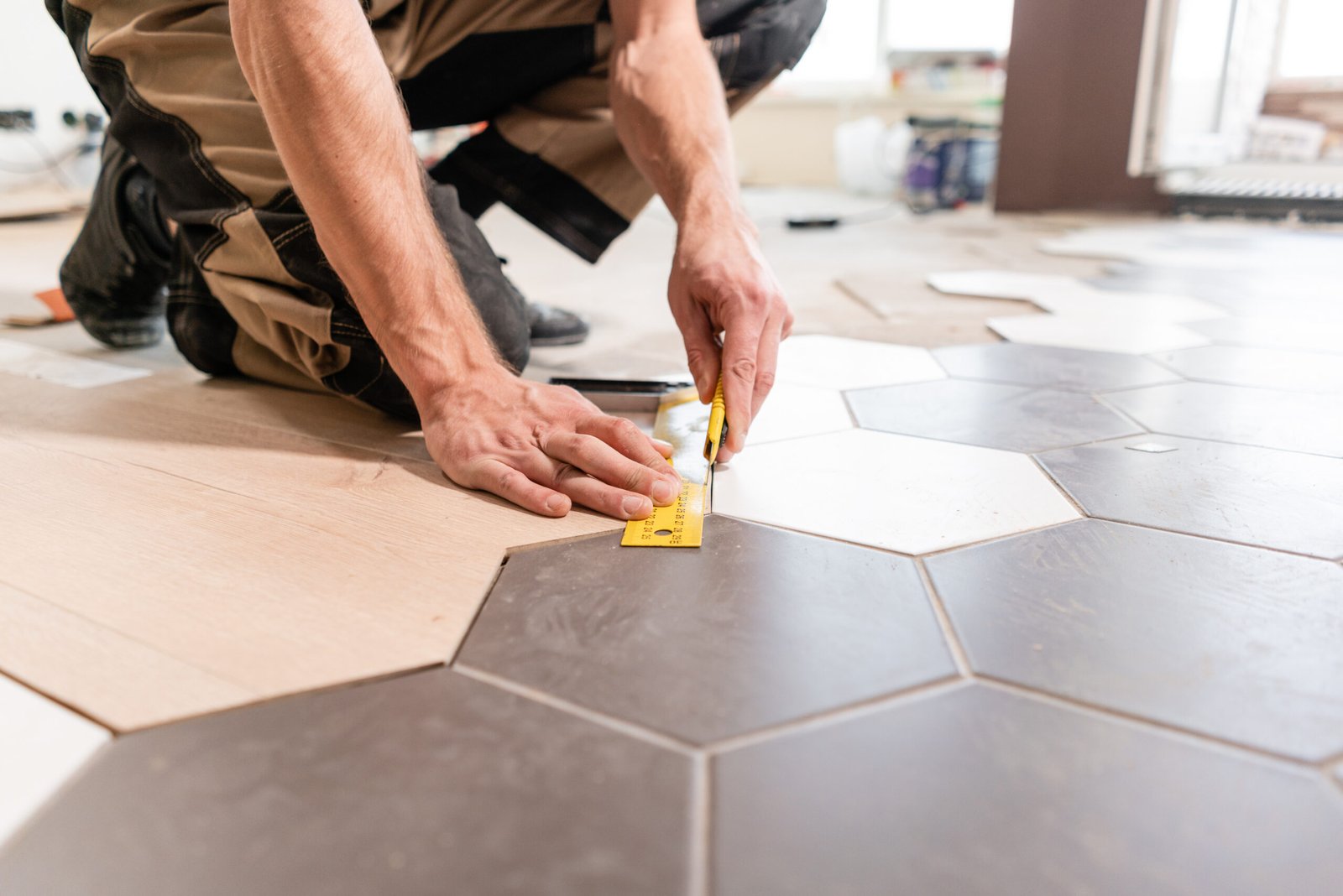
Ceramic tiles are lighter and softer, so they’re ideal for DIY installation or detailed cuts—great for walls, backsplashes, or decorative features.
3. Wide Variety of Designs
Ceramic tiles come in unlimited colors and prints, making it easy to create custom looks in bedrooms, living rooms, and accent walls.
4. High Heat and Chemical Resistance
Both tiles handle cooking and bathroom heat, but ceramic’s glazes also do well with most cleaning agents.
Comparative Table
| Feature | Porcelain Tiles | Ceramic Tiles |
| Durability | Extremely robust, chip/crack-resistant | Durable, but softer material |
| Water Absorption | <0.5% (Nearly waterproof) | 3–7% (More porous) |
| Maintenance | Low maintenance, stain & scratch-proof | Easy to clean but more sweat for stains |
| Installation | Heavier, needs pro tools | Lighter, DIY-friendly |
| Outdoor Suitability | Excellent | Not ideal |
| Price | Higher upfront, better lifetime value | More affordable |
| Design Choices | Natural look, advanced finishes | Vast selection, affordable |
| Best For | High-traffic, wet/outdoor areas | Indoors, walls, light-use floors |
Which Should You Choose?
- Porcelain: Choose for busy spaces, wet zones, Indian entryways, patios, or wherever you want long-lasting, low-maintenance performance—even if it means a slightly higher initial investment.
- Ceramic: Try for feature walls, bedrooms, moderate-use living areas, and where ease of cutting or price is a priority.
Maintenance Tips
- Both types are easy to care for—regularly sweep/vacuum and mop with a mild cleaner.
- Porcelain rarely needs sealing; ceramic glazes protect but may require more frequent spot-cleaning for stains.
- Quickly clean spills, especially on non-glazed surfaces, to prevent staining or water penetration.
Conclusion
Both porcelain and ceramic tiles can look stunning and offer excellent value, but their unique qualities make each suited for different home needs. For Indian families that want durability, water-resistance, and low maintenance, porcelain tiles often give the best long-term results. For decorative beauty, budget projects, or light-use areas, ceramic tiles hold plenty of appeal.
Explore the latest collections and expert advice at hansrajtiles.com to get the tile solution that’s just right for your space, your style, and your lifestyle!
Ready to choose your perfect tile? Browse porcelain and ceramic options, or talk with our experts at hansrajtiles.com!