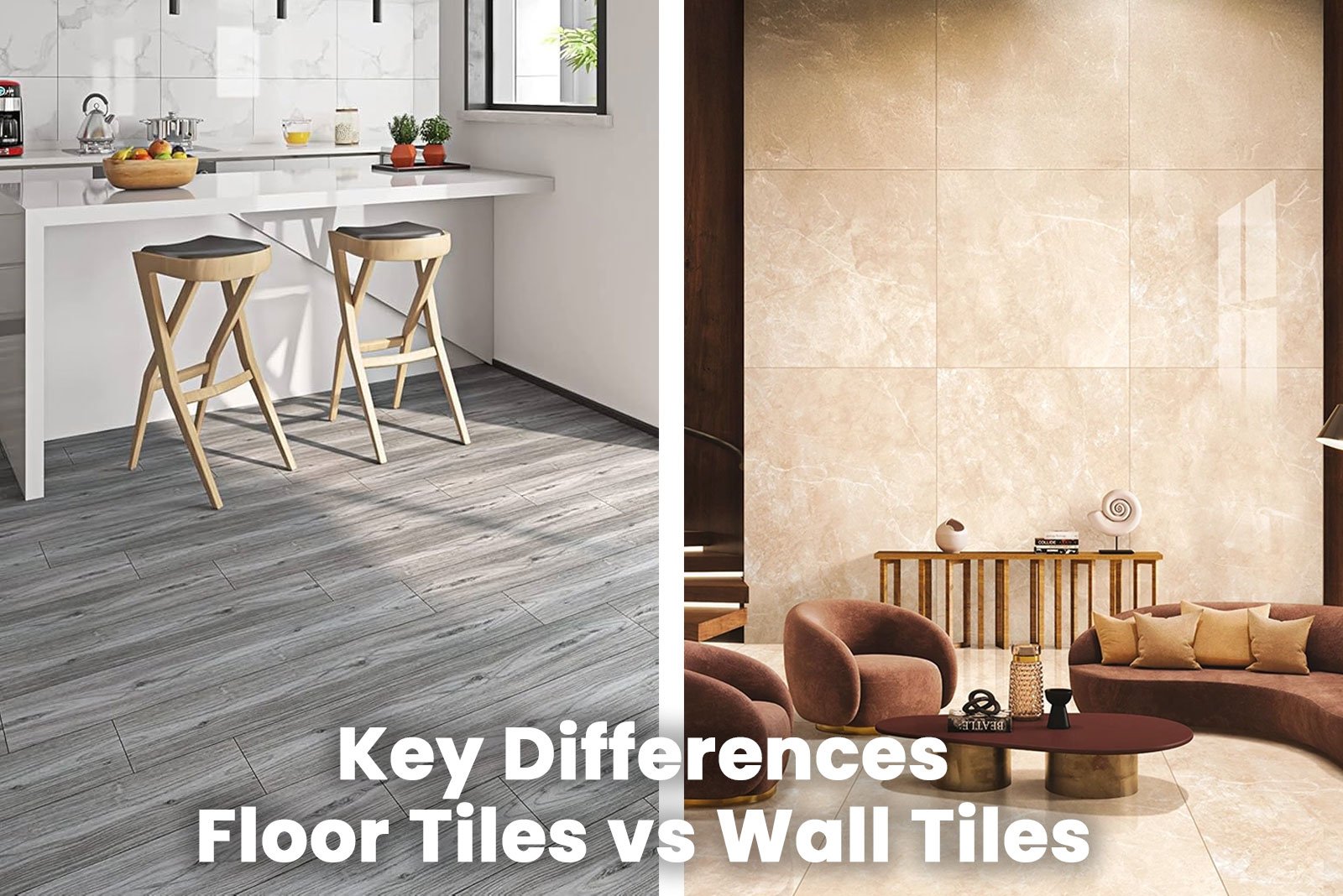
When planning flooring or wall finishes, many homeowners assume that tiles are interchangeable. However, understanding the difference between floor tiles vs wall tiles is crucial for safety, durability, and long-term performance.
Using the wrong type of tile in the wrong area can lead to cracks, slipperiness, and frequent replacements. This guide clearly explains the technical differences, correct usage, safety aspects, and how to read tile box specifications—helping you make the right decision for your home.
Technical Differences Between Floor and Wall Tiles
Floor and wall tiles are manufactured for very different purposes.
Floor Tiles
Floor tiles are designed to handle constant foot traffic, weight, and impact.
Key features:
-
Higher strength and density
-
Thicker body structure
-
Designed to withstand load and abrasion
-
Available in matte, anti-skid, and polished finishes
👉 Internal link suggestion: /floor-tiles/
Wall Tiles
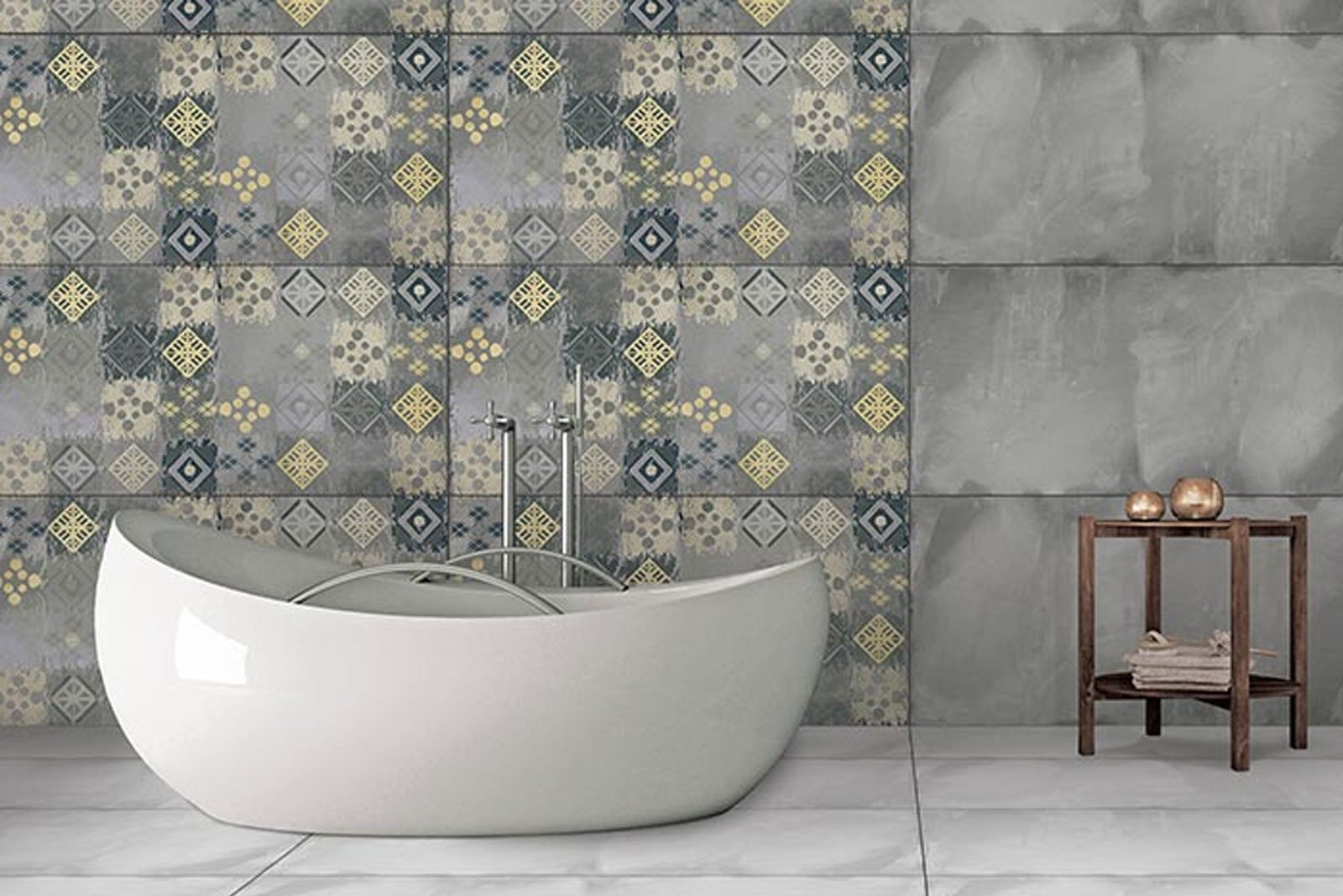
Wall tiles are primarily decorative and lightweight.
Key features:
-
Thinner and lighter than floor tiles
-
Easier to install on vertical surfaces
-
Designed for visual appeal, not load-bearing
-
Usually glossy for easy cleaning
Core Difference:
Floor tiles prioritize strength and safety, while wall tiles focus on aesthetics and ease of installation.
👉 Internal link suggestion: /wall-tiles/
Where You Can and Cannot Use Wall Tiles on Floors
This is one of the most common mistakes in Indian homes.
Where Wall Tiles Should NOT Be Used
-
Living rooms
-
Bedrooms
-
Kitchens
-
High-traffic areas
Wall tiles are not designed to handle foot pressure and may crack or break over time.
Limited Cases Where Wall Tiles May Be Used
-
Very low-traffic areas
-
Decorative flooring (not recommended for daily use)
-
Temporary installations
⚠️ Even in these cases, using wall tiles on floors is not advisable for long-term safety.
Can Floor Tiles Be Used on Walls?
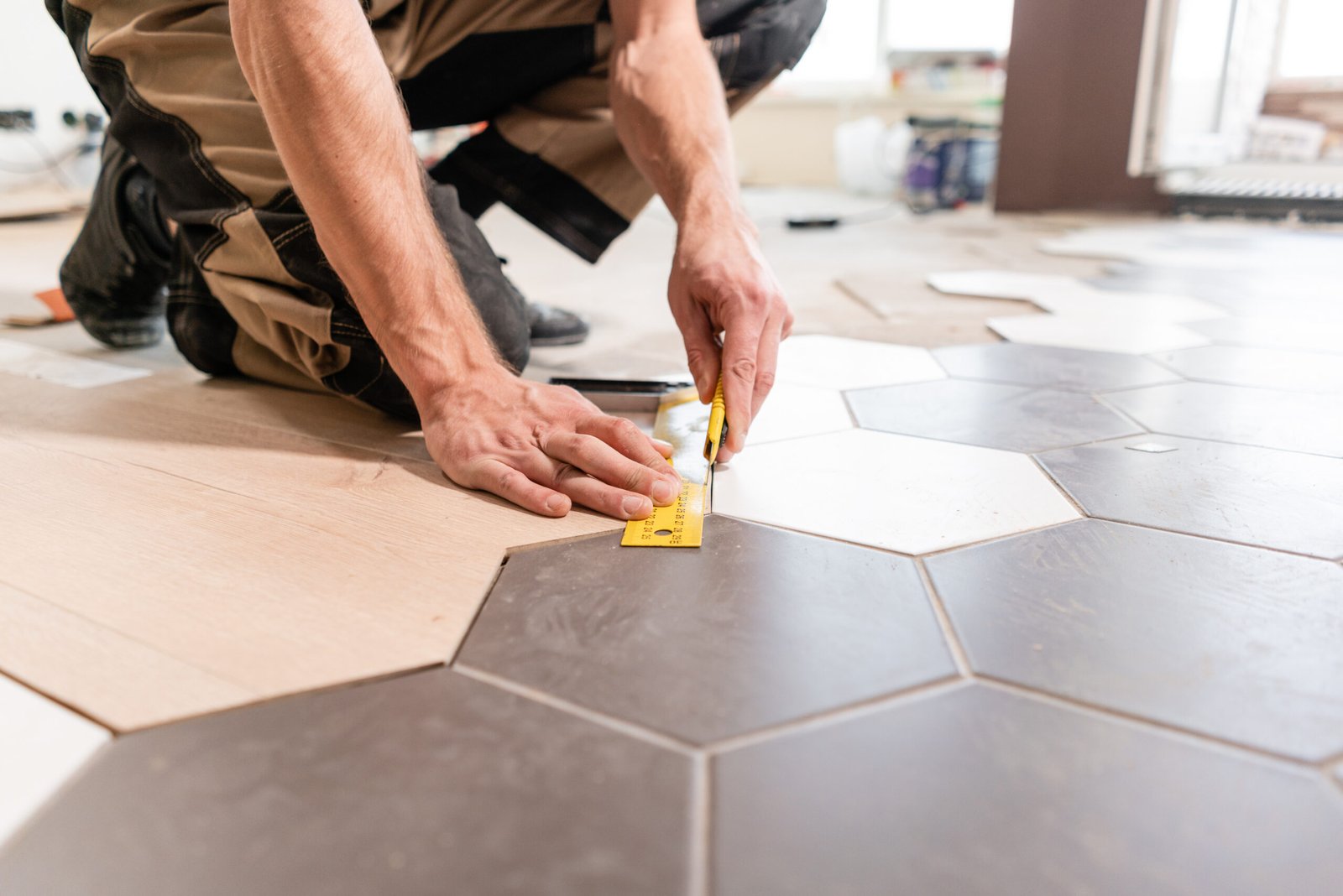
Yes. Floor tiles can safely be used on walls because they are stronger. However:
-
Proper wall support and adhesive are required
-
Installation cost may be higher
Slip Resistance, Strength, and Thickness Comparison
Understanding safety and durability differences is critical.
Slip Resistance
-
Floor tiles: Often come with anti-skid or matte finishes
-
Wall tiles: Mostly glossy and slippery when wet
For kitchens, bathrooms, and balconies, anti-skid floor tiles are essential.
Strength
-
Floor tiles: Designed to bear heavy loads and furniture weight
-
Wall tiles: Not impact-resistant
Dropping heavy objects on wall tiles placed on floors can cause immediate damage.
Thickness Comparison
-
Floor tiles: Usually 8–12 mm thick
-
Wall tiles: Usually 6–8 mm thick
Greater thickness equals higher durability and strength.
How to Read Tile Box Specifications Correctly
Most homeowners ignore tile box details, which leads to wrong purchases.
Important Tile Box Information
-
Tile Type: Floor / Wall / Digital / Porcelain
-
Size: Length × Width (in mm)
-
Thickness: Mentioned in mm
-
Finish: Glossy, matte, rustic, anti-skid
-
PEI Rating: Wear resistance (important for floor tiles)
-
Water Absorption: Lower is better for floors
PEI Rating Guide (For Floor Tiles)
-
PEI I–II: Light-use areas (walls only)
-
PEI III: Residential floors
-
PEI IV–V: Heavy traffic and commercial areas
Always check the “Recommended Usage” section printed on the box.
Common Mistakes Homeowners Make
-
Assuming all tiles are the same
-
Using wall tiles on floors to save cost
-
Ignoring slip resistance in wet areas
-
Not checking thickness and PEI rating
These mistakes can increase repair costs and safety risks.
Conclusion
Understanding the difference between floor tiles vs wall tiles helps you avoid costly errors and ensures long-lasting, safe, and beautiful finishes in your home. Floor tiles are built for strength and load-bearing, while wall tiles are designed for decoration.
Always select tiles based on usage, safety, and specifications, not just appearance or price.