Introduction
Whether you’re building a dream home or updating a busy family kitchen, tile durability plays a central role in how your spaces look and perform over time. With advances in tile technology, homeowners enjoy stronger, longer-lasting surfaces than ever before. But what makes some tiles outlast others, and how can you choose the right ones? At hansrajtiles.com, we break down the science of tile durability to help you make smarter choices for every room.
What Is Tile Durability?
Durability means how well tiles can resist daily wear, moisture, stains, impact, and environmental challenges over years of use. It’s a measure of performance, not just longevity. Durable tiles keep their looks and function—despite constant foot traffic, cleaning, or weather changes.
Key Scientific Factors Determining Tile Durability
1. Material Composition
- Porcelain Tiles: Made from highly refined clay, fired at extremely high temperatures, resulting in a dense, non-porous surface. Porcelain is one of the toughest options, handling high traffic and moisture with ease.
- Ceramic Tiles: Less dense, fired at lower temperatures, making them better for lighter use and indoor walls.
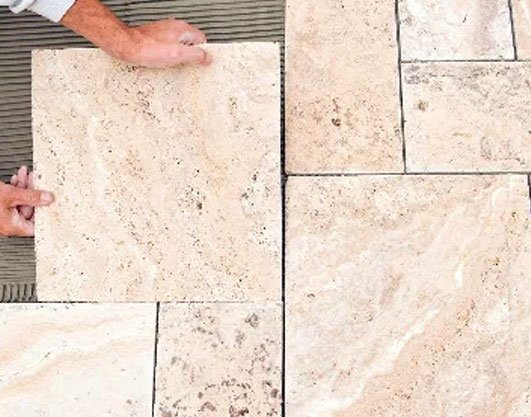
- Natural Stone Tiles: Granite, slate, and marble are naturally strong but often need more care to resist staining.
2. Manufacturing Process
Tiles are engineered in kilns, where intense heat fuses clay, sand, and minerals together. This vitrification process creates:
- Greater density and rigidity
- Lower porosity (important for water resistance)
- Higher scratch and impact resistance
Porcelain, in particular, is fired at higher temperatures, making its surface extremely hard.
3. Surface Treatments
Glazed tiles have a protective, glassy layer that blocks stains and moisture. Unglazed tiles offer natural texture and grip, but may require sealing in high-use areas.
Nanotechnology coatings now enhance resistance to microbes and stains, making new tiles even easier to maintain.
4. PEI Rating (Porcelain Enamel Institute)
The PEI scale grades the abrasion resistance of glazed tiles:
- PEI 0-2: Wall use only (very little wear)
- PEI 3: Light foot traffic (bedrooms, bathrooms)
- PEI 4: Moderate to heavy traffic (living rooms, kitchens)
- PEI 5: Heavy commercial use (malls, entryways)
Choose a PEI rating that fits your room’s demands for best results.
5. Density and Porosity
High-density tiles have fewer air pockets, so they resist cracking, staining, and water absorption. Porcelain absorbs less than 0.5% water, making it ideal for humid regions—kitchens, baths, outdoors.
Porous tiles can soak up spills, causing stains, mold, or even cracks over time.
6. Grout and Sealing
Tile durability isn’t just about the tile—grout and sealants protect edges and prevent water intrusion. Epoxy grouts are most durable, resisting cracks and stains.
Natural stone and certain porous tiles benefit greatly from professional sealing, extending their lifespan and maintaining appearance.
How Tiles Resist Wear
- Abrasion Resistance: Dense surface prevents scratching from furniture, pets, or daily traffic.
- Impact Resistance: Rigid, well-manufactured tiles withstand dropped objects and heavy loads.
- Thermal Stability: Tiles won’t warp or expand due to temperature changes—great for kitchens, patios, and near fireplaces.
- UV & Chemical Resistance: Colors and finishes remain vibrant, even with cleaning agents or harsh sunlight.
Maintenance for Maximum Durability
- Sweep or vacuum regularly to avoid abrasion from grit.
- Mop with mild cleaners to preserve surface glaze and sealants.
- Reseal grout and porous tiles occasionally.
- Quickly clean spills, especially oils or acids.
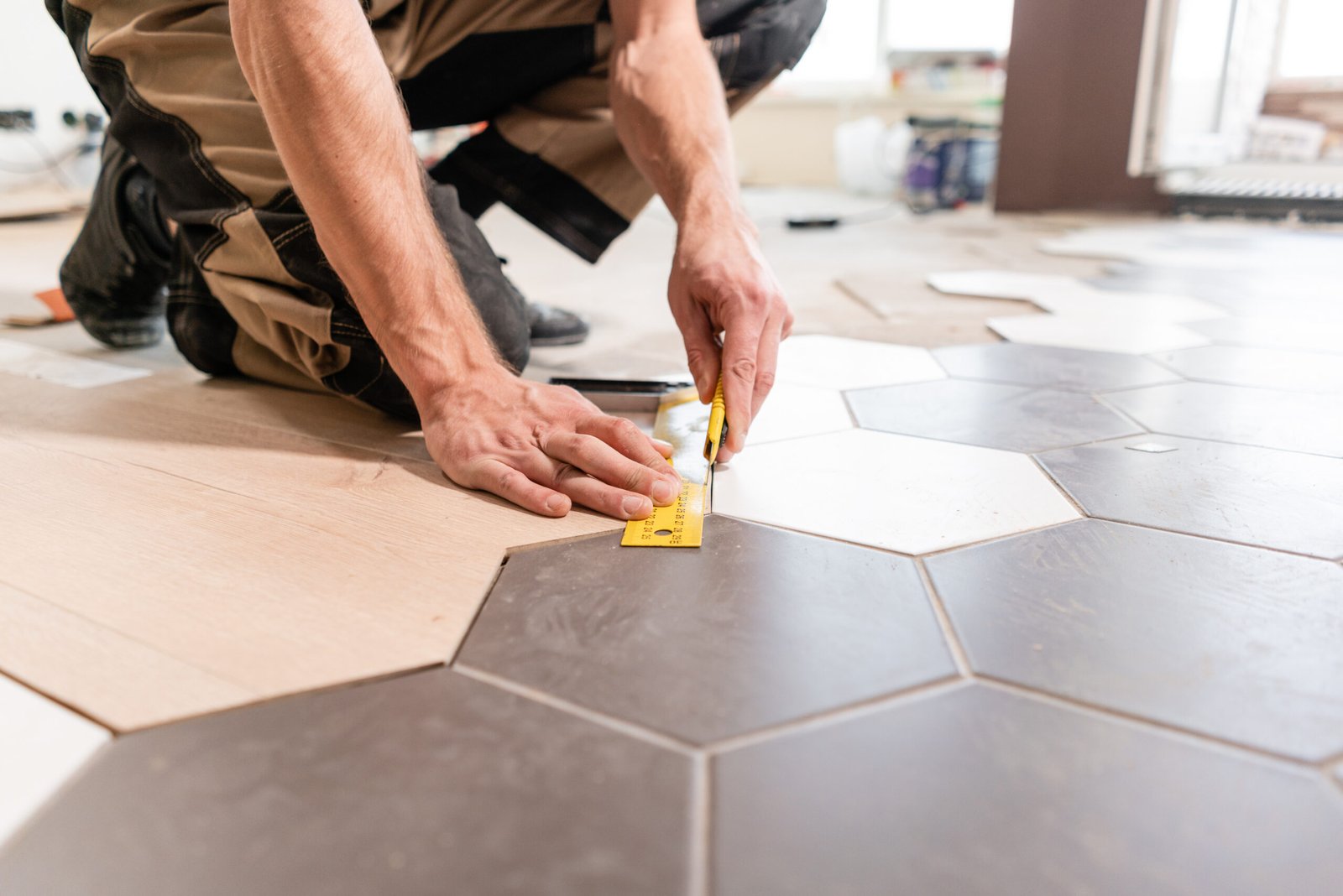
Proper installation—on a solid, prepped base with correct adhesives—also prevents cracking and premature wear.
Choosing the Right Tile for Longevity
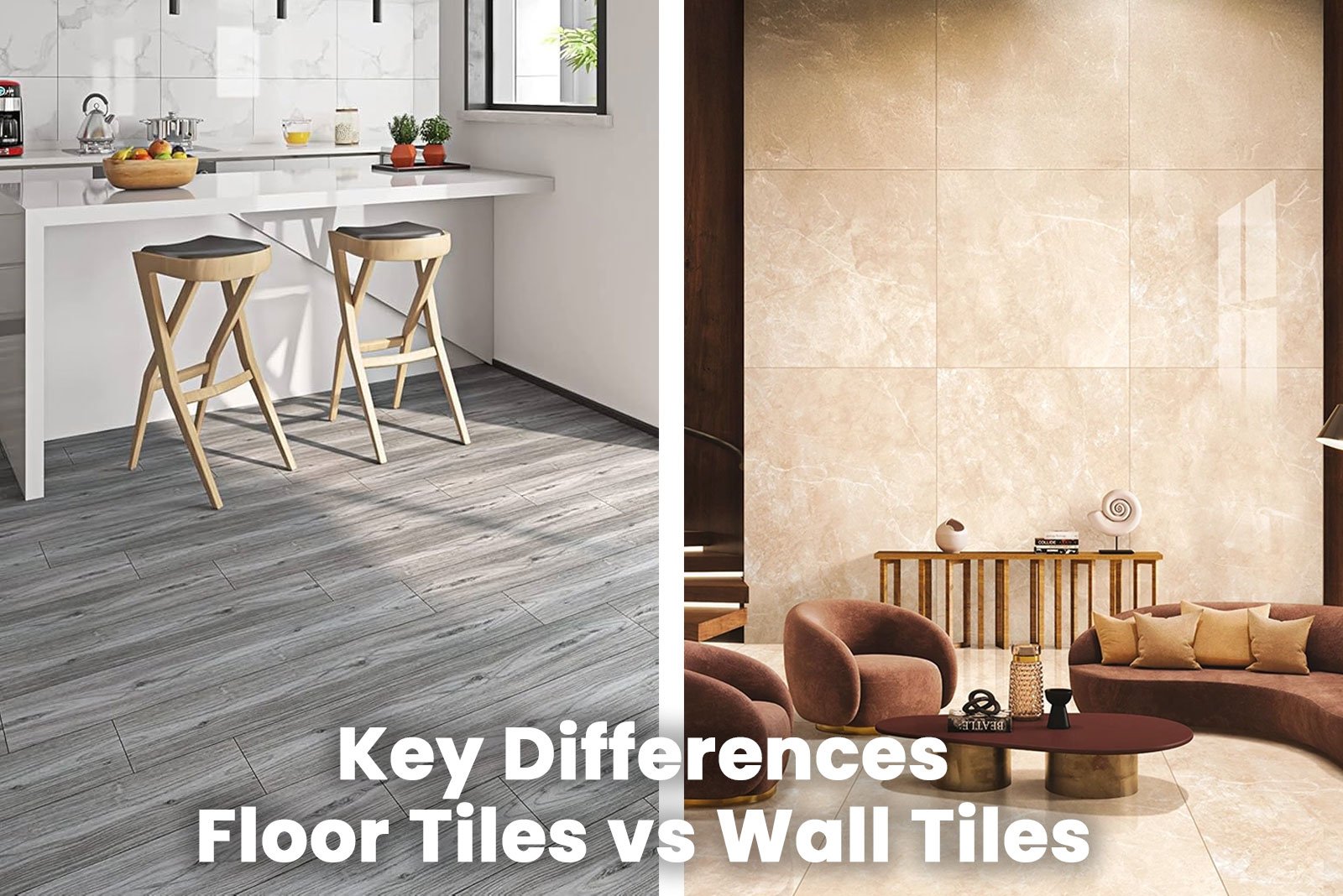
- For floor traffic: Choose porcelain (high PEI rating), natural stone, or vitrified tiles for busy zones.
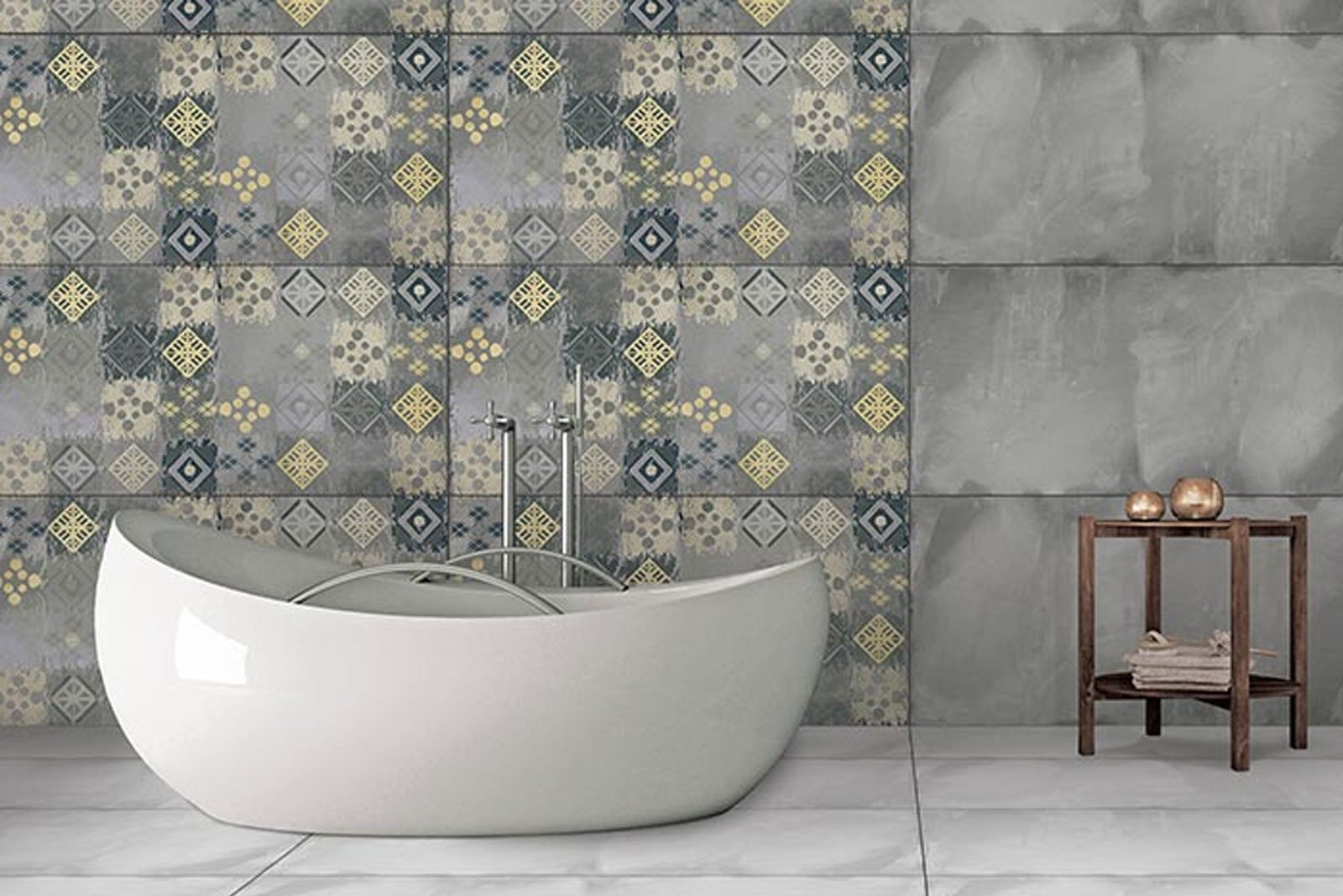
- For walls: Ceramic or decorative porcelain tiles work well.
- For outdoor areas: Dense, weather-resistant tiles with anti-skid surfaces and UV protection are best.
- For humid regions: Low-porosity tiles prevent water damage, mold and staining.
Find curated, tested collections for every use at hansrajtiles.com/long-lasting-tiles.
Conclusion
Tile durability is a blend of material science, manufacturing excellence, and smart installation. Porcelain, ceramic, and stone each offer unique strengths—properly selected and maintained tiles resist wear and stay beautiful for decades. Visit hansrajtiles.com for expert advice, top-quality products, and support, so your spaces stand up to life’s demands.
Have questions about PEI ratings, materials, or maintenance? Contact hansrajtiles.com for personalized guidance and long-wearing tile solutions.